Net 30: What Does the Term Mean on an Invoice?

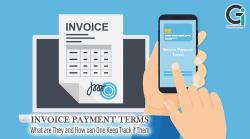
When you receive an invoice, sometimes there is a term on there, net 30, that seems to make no sense if you are not familiar with invoice lingo. On invoices, net 30 is regarded as a payment term. Net 30 means that a customer has a total of 30 days to pay their dues. Once the thirty days are up they might be hit by interest or late payment fees.
By mentioning net 30 on an invoice, businesses extend credit to their clients, allowing them to purchase products or services without having to pay upfront. Trade credit is another term that is used for extending credit to clients. A trade credit is a business-to-business agreement that works on payment terms that are often net 30, 60, or 90. In this article we will dive into the explanation of the term, net 30, exploring its benefits and drawbacks.
Difference Net 10, Net 15, and Net 30

Even though most commonly net 30 is used on invoices, it is not the only payment period that you can include in your invoice. Other variations include net 10, net 15, net 60, and net 60. The difference between all of these variations is a simple one: the number of days. The number beside “net” indicates the days a client is given by the business to pay their dues. Net 10 means that the client has 10 days to pay their dues while net 15 means that the client has to make the payment in the next 15 days.
Net 60 of course symbolizes that the client has about 60 days to make payment. Some businesses tend to settle for shorter payment periods like net 10 or net 15 because they want to get paid faster. Payment terms like net 60 or net 90 are mostly selected when the product requires a long time to deliver.
When Does Net 30 Start?
Most commonly the net 30 countdown starts from the date the invoice is issued to the client. Like for example, if a net 30 invoice is issued to the client on the 1st of January, they must pay their dues either on or before 30t of January. Some businesses also use other variations for calculating the due date among which the most commonly used ones are 30 days after services are delivered, purchase is made, or work is finished.
Regardless of which variation you settle on, it is of vital importance that you communicate your terms with the client clearly in order to avoid confusion. Also keep in mind that even though net 30 sounds like it means 30 business days, that is not the case. In the realm of invoicing, net 30 is defined as an unbroken 30-day period that includes weekdays, weekends, as well as holidays.
The Workings of Net 30 Terms

Wondering if net 30 terms are suitable for your business or not? Let’s take a look at net 30 terms when you offer them or when you use them in business purchases.
For Businesses Looking to Offer Net 30 Terms
As mentioned above, offering net 30 terms means you are extending credit to your customer. When you offer net 30 terms in an invoice that means you are doing business with your clients without upfront payment. Mostly the businesses who have adequate cash flow to cover delayed payments make use of net 30 terms. Businesses that are just starting out are not financially stable to hand out net 30 terms. If they do, they will find themselves short on available cash, waiting for payments to come in. Therefore, for startups, and also some small businesses offering payment terms is not the best option.
There are however options available to offer net 30 at a reduced risk. This can be done by working with companies that offer trade credit financing. In a similar fashion, if you offer net 30, and accrue a large number of delinquent invoices or are in need of immediate payment, you can partner with an invoice factoring company to balance the cash flow. There are, however, several drawbacks associated with this approach.
In the financial landscape, invoice factoring is deemed a funding model where businesses can sell their invoices to a third-party company, known as a factoring company. The factoring company then pays upfront the business a percentage of their invoices which is mostly 90% of the total. Once the deal is made, the factoring company then sends the customer the invoice.
Once the customer makes the total payment to the factoring company after the payment period is up, the factoring company pays the business the remaining 10% of the invoice minus a small processing fee. The major drawback of invoice factoring is that even though businesses do get paid upfront, and don’t have to wait days for the payment to come, they lose a small percentage of every invoice. Therefore, if you are considering invoice factoring, make sure to evaluate your profit margin and check if it is large enough to absorb the loss of the processing fee.
For Businesses Looking to Use Net 30 Terms
A huge challenge that stares in the face of businesses is that they have to purchase products and supplies if they wish to deliver services to their clients. Therefore, they have to spend money before they can make any cash. However, as a business, they have the option to utilize payment terms to purchase products and supplies. Businesses can make use of trade credit to purchase products and supplies without having to pay upfront. Instead of paying right on the spot, businesses can agree to payment terms like net 30, 60, or even 90. Trade credit comes with many advantages one of them being that businesses can make sales before they have to pay for the necessary materials which means that they will be making money before spending any.
Moreover, if a business has limited cash flow, it can rely on trade credit to make the necessary purchases without having to stretch its finances. The most important thing, however, is to make timely payments to avoid getting hit with interest or late fees. Keep in mind that payment terms vary from vendor to vendor. Before making a deal make sure to find the terms that work best for your business. try to build a good relationship with a trade credit vendor and they can help you pay for the supplies and product without breaking the bank.
When Should One Use Net 30?
For Businesses Looking to Offer Net 30 Terms
Given below are the examples of businesses that may want to offer net 30 terms:
- Businesses that offer complex services like remolding, construction, or repairs.
- Digital product vendors that need multiple payments for each order processed.
- Retailers selling high-end and luxury items with longer lead times to fulfill orders.
Payment terms might not be the best option for businesses stuck in the following situations:
- Seasonal or niche market businesses that experience a high rate of default.
- Companies and businesses that have tight on-hand cash reserves and cannot tolerate delayed payments.
For Businesses Looking to Use Net 30 Terms
Given below are several reasons why businesses might want to use net 30 terms:
- Businesses that wish to reduce the financial impact by breaking up bigger purchases over the length of the term.
- Businesses that wish to build their business credit via working with a vendor that reports to the credit bureaus.
- Businesses wishing to increase their purchasing power beyond what they can pay in full immediately.
Given below are reasons why you might want to avoid net 30 payment terms:
- Having to deal with late fees for overdue invoices.
- Accruing interests on invoices.
- Added labor for the management of outstanding invoices.
Benefits and Drawbacks of Net 30 Payment Terms

For Businesses Looking to Offer Net 30 Terms
|
Benefits |
Drawbacks |
|
Payment flexibility |
Issues with cash flow |
|
Bad debt reduction |
Administrative costs |
|
Offers a competitive edge |
Unreliable clients |
|
Helps build customer relationships |
|
For Businesses Looking to Use Net 30 Terms
|
Benefits |
Drawbacks |
|
Easily secure credit |
Accruing interest |
|
Builds business credit |
Dealing with unclear terms |
|
Flexible repayment terms |
|